45 of the most-read non-fiction books,
one key idea per chapter.
Read Stacks distills 45 non-fiction books into 641 chapter-by-chapter summaries you can read in about 1.5 minutes each — plus 7 curated reading paths that combine books that sharpen each other's ideas. Free. No signup. Amazon link on every chapter if the book lands.
Or start with one of these
The Surprising Power of Atomic Habits
Clear opens with the story of British Cycling. For decades the program was mediocre, so unremarkable that bike manufacturers reportedly hesitated to be associated with it. Then Dave…
Read in ~30s →
Book 1: Debts and Lessons
The opening book of Marcus Aurelius's private journal is a catalogue of gratitude — a precise accounting of what he learned from each person who shaped him. It…
Read in ~30s →
No One’s Crazy
Housel opens with a deceptively simple claim: no one is crazy with money. People make financial decisions that look reckless or foolish to others, but every one of…
Read in ~30s →
From the @readinglistschool community · pinned videos at 31K–108K views (counted May 2026)
Listen to it free. Every summary here has a full audiobook — the first one is free on your Audible trial.
Start listening freeon AudibleNew members only · many titles are included with the membership. As an Amazon Associate, Read Stacks earns from qualifying purchases and membership trials at no extra cost to you.
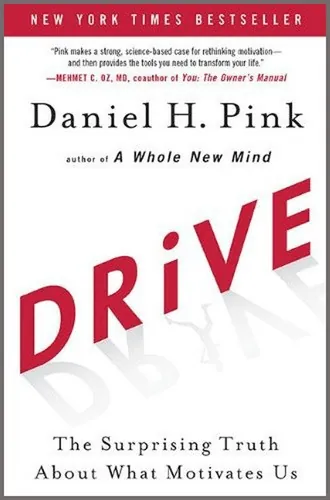
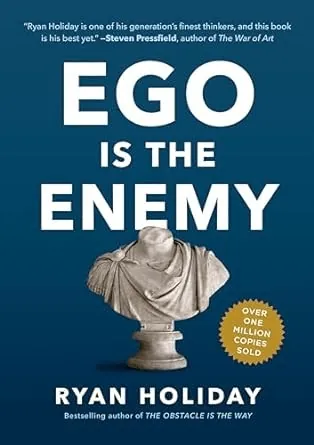
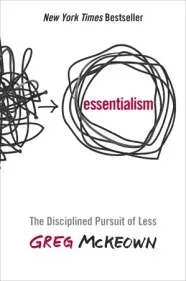
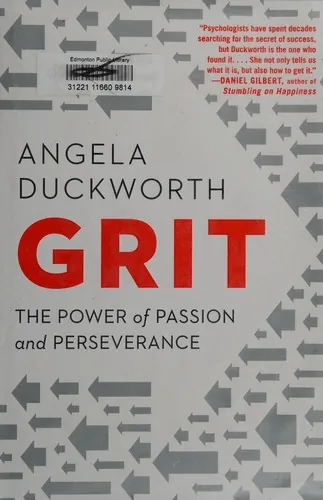
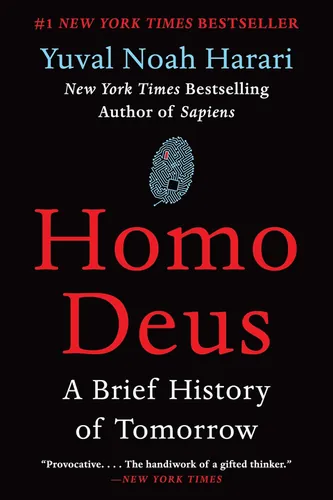
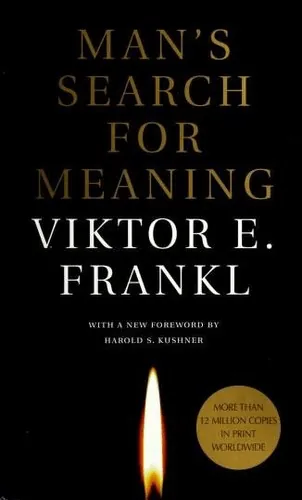


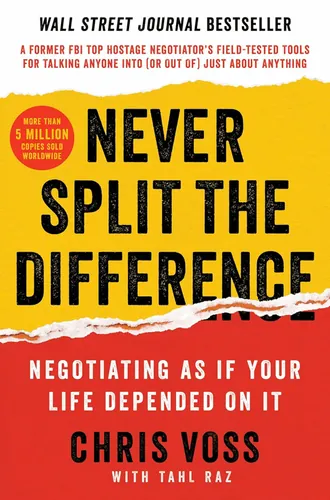
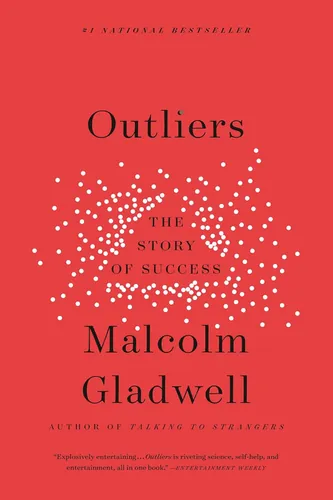

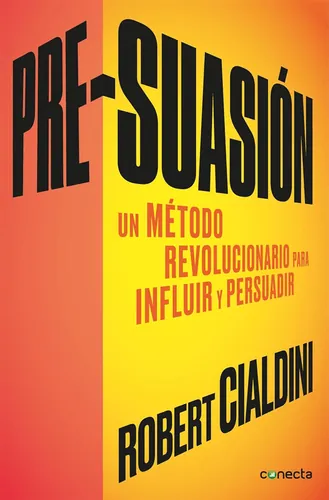
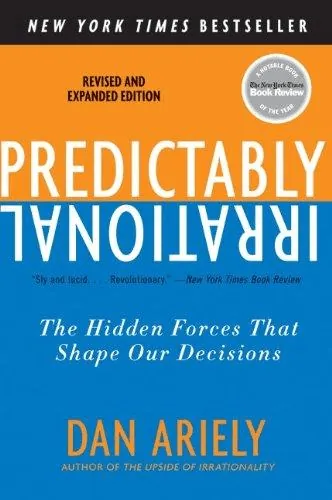
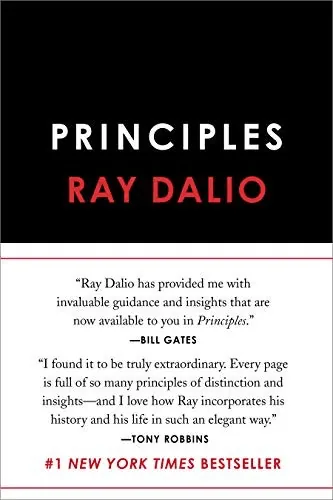
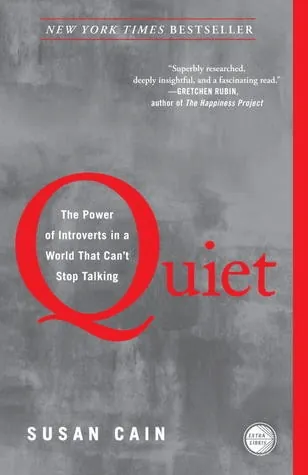
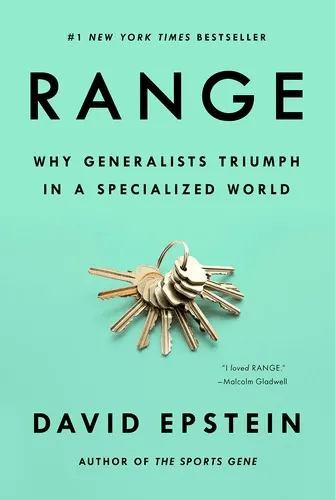
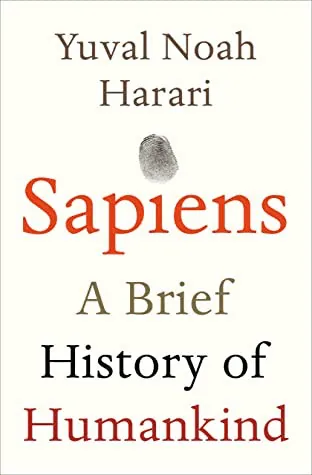
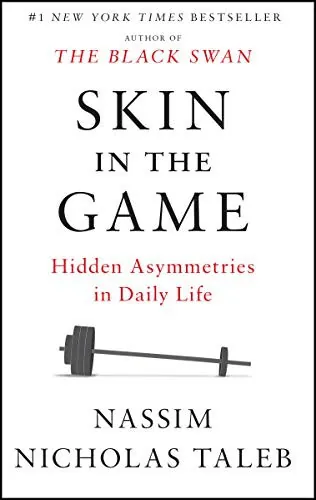
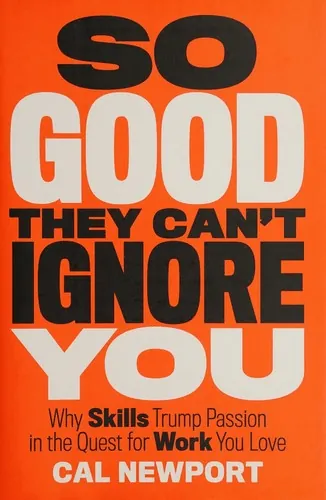
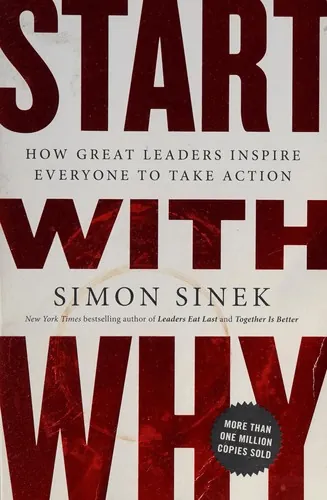
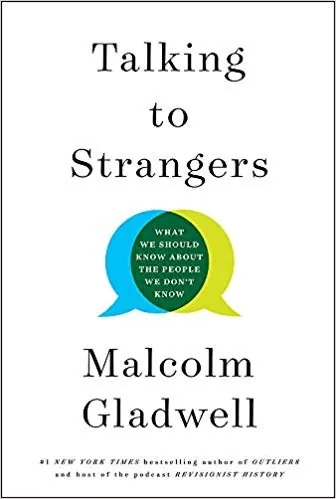
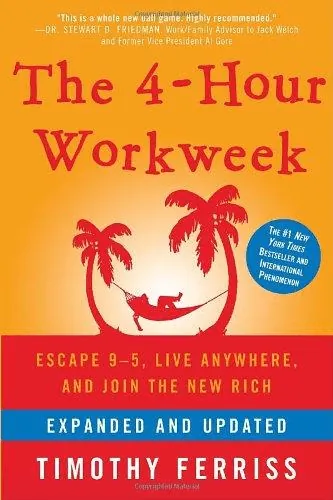
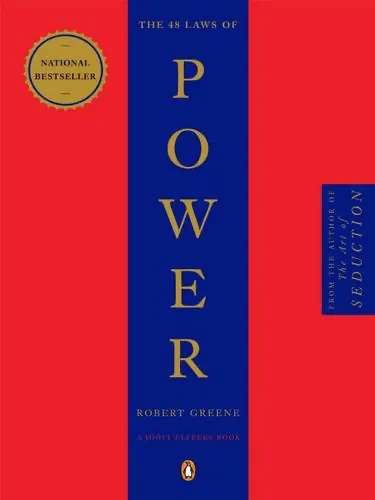
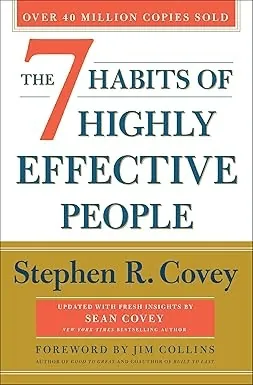

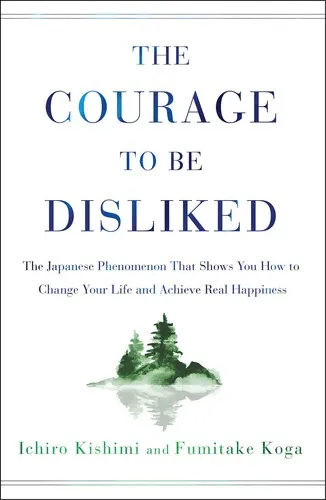
- The Courage to Be DislikedIchiro Kishimi & Fumitake KogaBuy on Amazon
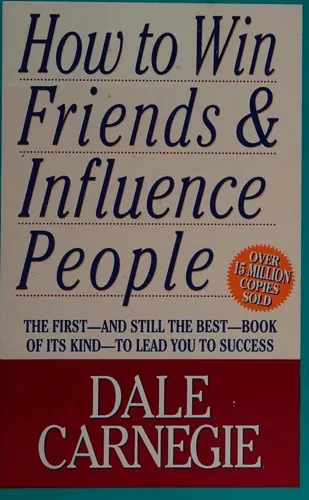
- How to Win Friends and Influence PeopleDale CarnegieBuy on Amazon
- Thinking, Fast and SlowDaniel KahnemanBuy on Amazon
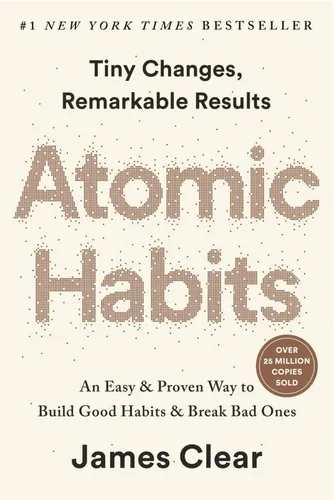
- Atomic HabitsJames ClearBuy on Amazon
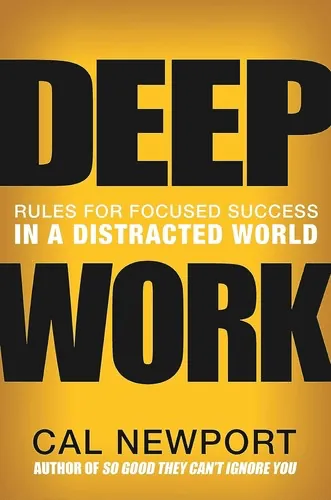
- Deep WorkCal NewportBuy on Amazon
- Never Split the DifferenceChris VossBuy on Amazon
Affiliate links: as an Amazon Associate, Read Stacks earns from qualifying purchases at no extra cost to you. About our affiliate disclosure
The Reading Room
See what the book world is reading and talking about — right now. A calm, curated live feed from the #BookSky community on Bluesky: no algorithm, no ads, no doomscroll. It refreshes as you watch — a reason to come back every day.
Step into the Reading Room →‘If You Want to Gather Honey, Don’t Kick Over the Beehive’
Opening chapter of How to Win Friends and Influence People · Dale Carnegie · ~1.5 min
The first and most foundational principle of human relations is also the hardest to live by: don't criticize, condemn, or complain. Criticism is futile, Carnegie argued, because it puts a person on the defensive and usually makes them strain to justify themselves. It is dangerous because it wounds a person's precious pride, hurts their sense of importance, and arouses resentment that can smolder for decades.
He opened the book with the case of "Two Gun" Crowley, a New York cop-killer who, while bleeding in a shootout with police, wrote a note describing his heart as "a weary heart, but a kind one — one that would do nobody any harm." Even Al Capone insisted he was a public benefactor who was misunderstood and unappreciated. If the worst criminals don't blame themselves for anything, Carnegie asked, what about the ordinary people you and I deal with every day?
The psychology is well established. B.F. Skinner's experiments showed that an animal rewarded for good behavior learns faster and remembers longer than an animal punished for bad behavior. Later research confirmed the same holds for people: criticism does not produce lasting change; it produces lasting resentment. The fault you point out is forgotten; the sting of being humiliated is not.
Carnegie's favorite illustration was Abraham Lincoln. As a young man Lincoln wrote anonymous letters mocking his opponents — until one of his targets challenged him to a duel. The near-fatal lesson changed him; he became the man of "malice toward none." Years later, when General Meade let Lee's army escape after Gettysburg, a furious Lincoln wrote a scathing letter of reprimand — and then never sent it, having realized that sharp criticism would only harden Meade and accomplish nothing.
Benjamin Franklin, tactless in his youth, became so diplomatic that he was made American ambassador to France. His secret: "I will speak ill of no man and speak all the good I know of everybody." Any fool can criticize, condemn, and complain — and most fools do. But it takes character and self-control to be understanding and forgiving.
The practical discipline is to pause before you condemn and ask why the person acted as they did. "To know all is to forgive all." As Dr. Johnson observed, God himself does not propose to judge a man until the end of his days — so why should you and I? Instead of condemning people, try to understand them; try to figure out why they do what they do. That breeds sympathy, tolerance, and kindness, and it is far more profitable and intriguing than criticism.
Influence with integrity
How to persuade without becoming a manipulator — eight books on the science of moving people honestly.
How do you want to read?
Four entry points into the same library. Pick the angle that fits the moment.
Books (45)
One book at a time. Every chapter summarized in plain prose.
Stacks (7)
Curated reading paths — 4-9 books in order with editorial synthesis.
Topics (20)
Habits · influence · stoicism · attention · decision-making · power · money…
Concepts (66)
Habit loop · loss aversion · deep work · grit · antifragile — pages per idea.
How does Read Stacks actually work?
The most common questions, answered plainly.
- Is it really free?
- Yes — every one of the 641 chapter summaries is free to read with no signup. Read Stacks earns a small Amazon affiliate commission when readers buy the full book they liked. There is no paid tier.
- How is this different from other book-summary sites?
- Most summary sites give you one page per book. Read Stacks gives you one page per chapter — so you can find the exact chapter you remember from a book, or read one chapter at a time on a commute. Each summary is ~150-450 words; the central insight plus the evidence behind it.
- What's a stack?
- A curated reading path — 4-9 non-fiction books in a deliberate order, with editorial synthesis explaining why these books together compound where individually they'd plateau. Seven stacks live: build-better-habits, influence-with-integrity, think-clearly, find-meaning, master-power-dynamics, win-the-long-game, lead-with-growth.
- Who writes the summaries?
- Chapter summaries are drafted with AI assistance from source notes and cite the original book. Read Stacks is run by Paulo de Vries; each summary links to Amazon for readers who want the full text. See the methodology page for how each summary is authored.
- Can I save chapters or track what I've read?
- Yes — every chapter has a bookmark button, your reading history lives in your browser (localStorage, no account needed), and the homepage shows “Continue reading” so you can pick up where you left off. Reading streaks too. If you clear your browser data, you reset.
Pick a stack and start reading.
7 four-book reading paths, each with the chapter summaries and a short synthesis tying the books together. All free, no signup.