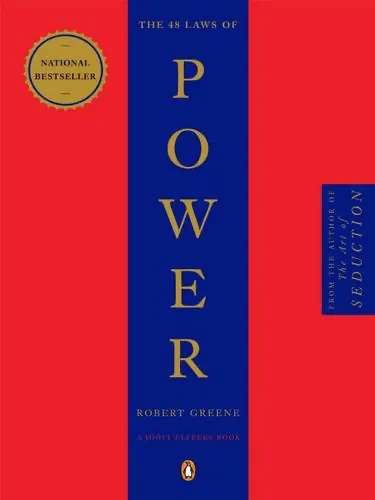
The 48 Laws of Power
Listen to it free. Get The 48 Laws of Power on Audible with a 30-day trial — cancel anytime.
Start listening freeon AudibleNew members only · many titles are included with the membership. As an Amazon Associate, Read Stacks earns from qualifying purchases and membership trials at no extra cost to you.
What this book is, and who it's for
Robert Greene's 1998 catalog of historical patterns of how power actually operates is the most banned-in-prisons self-help book ever published — for good reason. The 48 laws are descriptive, not prescriptive: Greene observes that power has moved through human institutions in recognizable patterns for millennia, and that pretending otherwise is the most reliable way to lose at them. Reading 48 Laws as a how-to-manipulate misses the point; reading it as a how-to-recognize is closer. Pair it with The Laws of Human Nature (also Greene) to balance the strategic-cynical frame with a deeper psychological one. Read this when you've noticed that the rules at work aren't the official rules.
Forty-eight historically-observed patterns through which power has been gained, kept, and lost across human institutions. Greene's value is not as a manipulation manual but as a recognition manual — seeing the patterns lets you defend against them.
How to apply The 48 Laws of Power in 3 steps
- 1Read it as a defense manual, not a how-to
The book's value is recognition, not application. Read each law and ask: when has this been used against me? When have I seen it operate around me? The recognition becomes a permanent defensive frame against manipulation by others.
- 2Use power transparently when you must
Most professional contexts require some power moves. Use them transparently — name what you're doing, offer it as one option among many, leave the other person their dignity. The transparent versions accomplish the same outcomes without the long-term reputational cost.
- 3Never use the laws to harm someone undefended
The laws work; that's the danger. Using them against people who don't see them is power abuse, regardless of how legal or culturally accepted the move is. Greene's later work (Laws of Human Nature) is the corrective: see the patterns, but don't deploy them against the vulnerable.
Opening
Closing & reference
- ChapterLAW 1: NEVER OUTSHINE THE MASTER2 min
- ChapterLAW 2: NEVER PUT TOO MUCH TRUST IN FRIENDS, LEARN HOW TO USE ENEMIES2 min
- ChapterLAW 3: CONCEAL YOUR INTENTIONS2 min
- ChapterLAW 4: ALWAYS SAY LESS THAN NECESSARY2 min
- ChapterLAW 5: SO MUCH DEPENDS ON REPUTATION—GUARD IT WITH YOUR LIFE1.5 min
- ChapterLAW 6: COURT ATTENTION AT ALL COST1.5 min
- ChapterLAW 7: GET OTHERS TO DO THE WORK FOR YOU, BUT ALWAYS TAKE THE CREDIT2 min
- ChapterLAW 8: MAKE OTHER PEOPLE COME TO YOU—USE BAIT IF NECESSARY2 min
- ChapterLAW 9: WIN THROUGH YOUR ACTIONS, NEVER THROUGH ARGUMENT2 min
- ChapterLAW 10: INFECTION: AVOID THE UNHAPPY AND UNLUCKY2 min
- ChapterLAW 11: LEARN TO KEEP PEOPLE DEPENDENT ON YOU2 min
- ChapterLAW 12: USE SELECTIVE HONESTY AND GENEROSITY TO DISARM YOUR VICTIM2 min
- ChapterLAW 13: WHEN ASKING FOR HELP, APPEAL TO PEOPLE’S SELF-INTEREST, NEVER TO THEIR MERCY OR GRATITUDE1.5 min
- ChapterLAW 14: POSE AS A FRIEND, WORK AS A SPY1.5 min
- ChapterLAW 15: CRUSH YOUR ENEMY TOTALLY2 min
- ChapterLAW 16: USE ABSENCE TO INCREASE RESPECT AND HONOR1.5 min
- ChapterLAW 17: KEEP OTHERS IN SUSPENDED TERROR: CULTIVATE AN AIR OF UNPREDICTABILITY1.5 min
- ChapterLAW 18: DO NOT BUILD FORTRESSES TO PROTECT YOURSELF—ISOLATION IS DANGEROUS2 min
- ChapterLAW 19: KNOW WHO YOU’RE DEALING WITH—DO NOT OFFEND THE WRONG PERSON2 min
- ChapterLAW 20: DO NOT COMMIT TO ANYONE2 min
- ChapterLAW 21: PLAY A SUCKER TO CATCH A SUCKER—SEEM DUMBER THAN YOUR MARK1.5 min
- ChapterLAW 22: USE THE SURRENDER TACTIC: TRANSFORM WEAKNESS INTO POWER2 min
- ChapterLAW 23: CONCENTRATE YOUR FORCES2 min
- ChapterLAW 24: PLAY THE PERFECT COURTIER1.5 min
- ChapterLAW 25: RE-CREATE YOURSELF2 min
- ChapterLAW 26: KEEP YOUR HANDS CLEAN2 min
- ChapterLAW 27: PLAY ON PEOPLE’S NEED TO BELIEVE TO CREATE A CULTLIKE FOLLOWING2 min
- ChapterLAW 28: ENTER ACTION WITH BOLDNESS1.5 min
- ChapterLAW 29: PLAN ALL THE WAY TO THE END2 min
- ChapterLAW 30: MAKE YOUR ACCOMPLISHMENTS SEEM EFFORTLESS2 min
- ChapterLAW 31: CONTROL THE OPTIONS: GET OTHERS TO PLAY WITH THE CARDS YOU DEAL1.5 min
- ChapterLAW 32: PLAY TO PEOPLE’S FANTASIES2 min
- ChapterLAW 33: DISCOVER EACH MAN’S THUMBSCREW1.5 min
- ChapterLAW 34: BE ROYAL IN YOUR OWN FASHION: ACT LIKE A KING TO BE TREATED LIKE ONE2 min
- ChapterLAW 35: MASTER THE ART OF TIMING2 min
- ChapterLAW 36: DISDAIN THINGS YOU CANNOT HAVE: IGNORING THEM IS THE BEST REVENGE2 min
- ChapterLAW 37: CREATE COMPELLING SPECTACLES1.5 min
- ChapterLAW 38: THINK AS YOU LIKE BUT BEHAVE LIKE OTHERS2 min
- ChapterLAW 39: STIR UP WATERS TO CATCH FISH1.5 min
- ChapterLAW 40: DESPISE THE FREE LUNCH2 min
- ChapterLAW 41: AVOID STEPPING INTO A GREAT MAN’S SHOES2 min
- ChapterLAW 42: STRIKE THE SHEPHERD AND THE SHEEP WILL SCATTER1.5 min
- ChapterLAW 43: WORK ON THE HEARTS AND MINDS OF OTHERS1.5 min
- ChapterLAW 44: DISARM AND INFURIATE WITH THE MIRROR EFFECT2 min
- ChapterLAW 45: PREACH THE NEED FOR CHANGE, BUT NEVER REFORM TOO MUCH AT ONCE2 min
- ChapterLAW 46: NEVER APPEAR TOO PERFECT1.5 min
- ChapterLAW 47: DO NOT GO PAST THE MARK YOU AIMED FOR; IN VICTORY, LEARN WHEN TO STOP2 min
- ChapterLAW 48: ASSUME FORMLESSNESS2 min
How to read this book. Each chapter is a ~30-second summary — the core insight, no filler. Open the chapters that grab you. If the book resonates, hear the full audiobook free with an Audible trial or buy the edition on Amazon (links below, affiliate-disclosed).
The 48 Laws of Power pairs well with
A single book is an argument. A stack is a curriculum. The 48 Laws of Power appears in this curated reading path — each pairs it with other books that sharpen its ideas, in a suggested reading order.
More books like The 48 Laws of Power
The other books in the curated reading paths The 48 Laws of Power belongs to. Each one sharpens, extends, or counter-argues something The 48 Laws of Power establishes — the compound is the reason these books sit together in a stack.
- Master power dynamicsThe Art of WarSun Tzu
- Master power dynamicsThe Laws of Human NatureRobert Greene
- Master power dynamicsPre-SuasionRobert Cialdini
- Master power dynamicsNever Split the DifferenceChris Voss
- Master power dynamicsAntifragileNassim Nicholas Taleb
- Master power dynamicsSkin in the GameNassim Nicholas Taleb
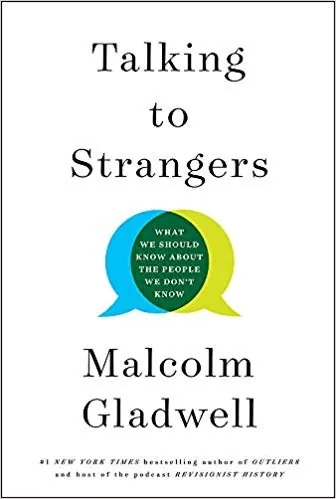
- Master power dynamicsTalking to StrangersMalcolm Gladwell
Frequently asked questions
What is The 48 Laws of Power about?+
Robert Greene's 1998 catalog of historical patterns of how power actually operates is the most banned-in-prisons self-help book ever published — for good reason.
How long does it take to read The 48 Laws of Power?+
The full The 48 Laws of Power typically takes 4-6 hours to read cover-to-cover. The Read Stacks chapter summaries cover the same ideas in ~89 minutes total (50 chapters at ~30 seconds each).
Who is The 48 Laws of Power for?+
The 48 Laws of Power is for readers curious about why people think and decide the way they do. Useful for designers, marketers, negotiators, and anyone making decisions with imperfect information.
What are the key ideas in The 48 Laws of Power?+
The book covers LAW 1: NEVER OUTSHINE THE MASTER, LAW 2: NEVER PUT TOO MUCH TRUST IN FRIENDS, LEARN HOW TO USE ENEMIES, LAW 3: CONCEAL YOUR INTENTIONS, LAW 4: ALWAYS SAY LESS THAN NECESSARY and LAW 5: SO MUCH DEPENDS ON REPUTATION—GUARD IT WITH YOUR LIFE. Each chapter has a free summary on Read Stacks (~30 seconds each).
Is The 48 Laws of Power worth reading?+
If you're interested in power dynamics and social strategy, The 48 Laws of Power is widely considered essential. The Read Stacks chapter summaries help you decide — read the free first chapter, then buy the full book on Amazon if the argument resonates.
Books like The 48 Laws of Power
If The 48 Laws of Power resonated, these non-fiction books pick up the same threads.
From Read Stacks · Learn
How to get more out of this book
Two short essays on the meta-skill — what chapter summaries actually preserve, and the six retention techniques that decide whether what you read here is still useful six months from now.
- Are book summaries actually useful, or am I just cheating?
Chapter summaries are a navigation tool, not a substitute. Used right, they help you read more books fully — by helping you avoid the wrong ones. Used wrong, they're a comfort blanket that lets you feel like you're reading without engaging with the material.
6 min read
- I read a lot of books but can't remember anything. What works?
Forgetting most of what you read is normal, not a personal failing — your brain wasn't designed to retain prose at the rate modern readers consume it. The practices that DO work share one thing: they force you to USE the material instead of just consuming it. Six specific techniques, each tested across decades.
7 min read
Appears in these topics
The 48 Laws of Power is part of this curated reading list — each a “best books on X” cluster with a synthesis on how the books fit together.