8 books like Thinking, Fast and Slow
Kahneman's book is about where intuition goes wrong: anchoring, the planning fallacy, loss aversion, the gap between the self that lives a moment and the self that remembers it. Each book below picks up one of those threads. Start with Ariely for more experiments, Taleb if the chapters on risk stayed with you, Epstein if you want to know when expert intuition can be trusted.
 #1
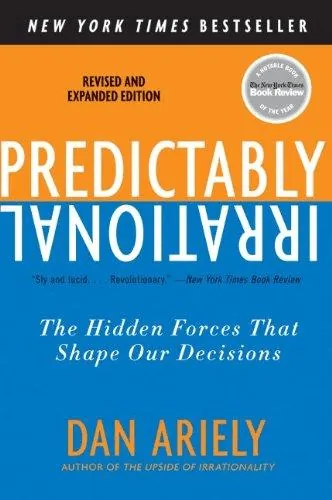
Predictably Irrational: The Hidden Forces That Shape Our Decisions
by Dan Ariely
The closest next read. Ariely ran his own experiments on the same blind spots, such as anchoring people with the last digits of their Social Security number or the pull of the word free, in shorter and lighter chapters.
Shared theme: decision-making + cognitive bias, risk + uncertainty
You have the gist — now hear the whole argument. Free with an Audible trial for eligible new members, cancel anytime.
Affiliate links — as an Amazon Associate, Read Stacks earns from qualifying purchases and Audible trials at no extra cost to you.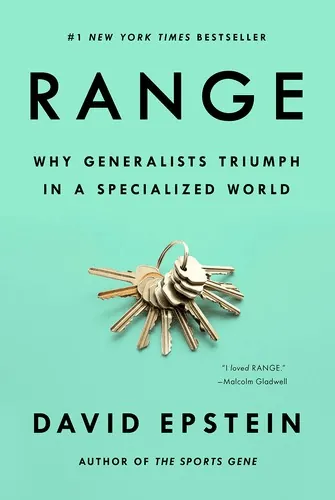 #2
Range: Why Generalists Triumph in a Specialized World
by David Epstein
Kahneman and the psychologist Gary Klein worked out when expert intuition holds up: only where feedback is fast and clear. Epstein builds a whole book on that line between kind and wicked learning environments.
Shared theme: decision-making + cognitive bias, cognition + how the mind works
You have the gist — now hear the whole argument. Free with an Audible trial for eligible new members, cancel anytime.
Affiliate links — as an Amazon Associate, Read Stacks earns from qualifying purchases and Audible trials at no extra cost to you.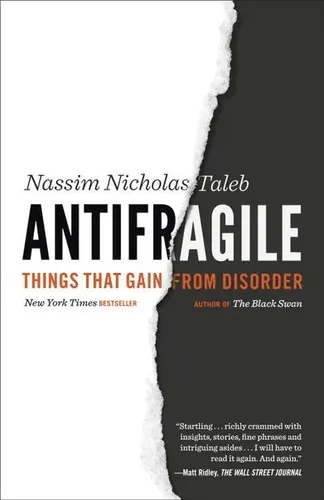 #3
Antifragile: Things That Gain from Disorder
by Nassim Nicholas Taleb
Kahneman shows that experts forecast badly. Taleb asks what to do about it: arrange your bets so that being wrong costs little and surprises can pay off.
Shared theme: risk + uncertainty
You have the gist — now hear the whole argument. Free with an Audible trial for eligible new members, cancel anytime.
Affiliate links — as an Amazon Associate, Read Stacks earns from qualifying purchases and Audible trials at no extra cost to you.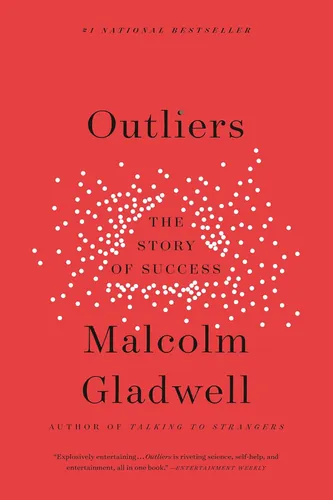 #4
Outliers: The Story of Success
by Malcolm Gladwell
Kahneman looks inside the head. Gladwell looks at what surrounds it, like birth month, culture and timing, as the hidden variables behind success that we tend to credit to talent.
Shared theme: decision-making + cognitive bias, cognition + how the mind works
You have the gist — now hear the whole argument. Free with an Audible trial for eligible new members, cancel anytime.
Affiliate links — as an Amazon Associate, Read Stacks earns from qualifying purchases and Audible trials at no extra cost to you.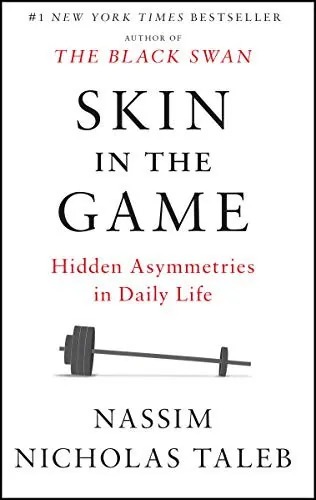 #5
Skin in the Game: Hidden Asymmetries in Daily Life
by Nassim Nicholas Taleb
A sharper follow-up on one theme from the chapters on expert judgment: advice from people who carry none of the downside is worth less than it sounds.
Shared theme: risk + uncertainty
You have the gist — now hear the whole argument. Free with an Audible trial for eligible new members, cancel anytime.
Affiliate links — as an Amazon Associate, Read Stacks earns from qualifying purchases and Audible trials at no extra cost to you.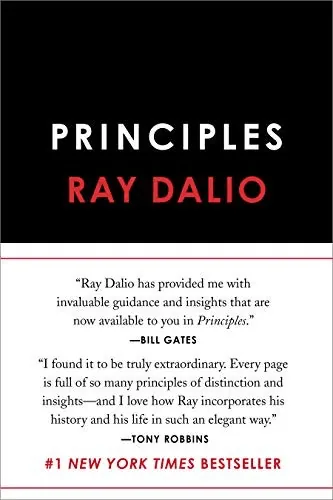 #6
Principles: Life and Work
by Ray Dalio
Kahneman's advice to slow down and check your reasoning, turned into a written system. Dalio records decisions as rules and tests them against what actually happened.
Shared theme: decision-making + cognitive bias
You have the gist — now hear the whole argument. Free with an Audible trial for eligible new members, cancel anytime.
Affiliate links — as an Amazon Associate, Read Stacks earns from qualifying purchases and Audible trials at no extra cost to you.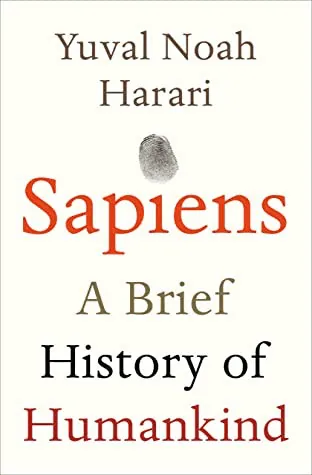 #7
Sapiens: A Brief History of Humankind
by Yuval Noah Harari
The same mind at the scale of 70,000 years. Harari argues that shared stories, not individual reasoning, let humans cooperate in large numbers.
Shared theme: cognition + how the mind works
You have the gist — now hear the whole argument. Free with an Audible trial for eligible new members, cancel anytime.
Affiliate links — as an Amazon Associate, Read Stacks earns from qualifying purchases and Audible trials at no extra cost to you.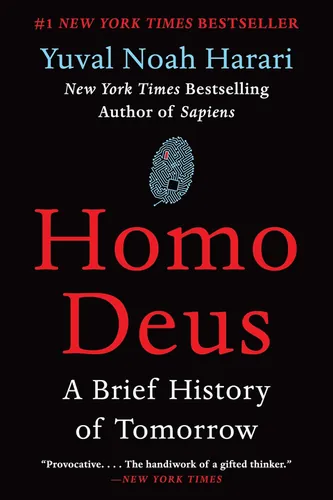 #8
Homo Deus: A Brief History of Tomorrow
by Yuval Noah Harari
Harari uses Kahneman's two selves to ask what happens to human choice once algorithms know our preferences better than we do.
Shared theme: cognition + how the mind works
You have the gist — now hear the whole argument. Free with an Audible trial for eligible new members, cancel anytime.
Affiliate links — as an Amazon Associate, Read Stacks earns from qualifying purchases and Audible trials at no extra cost to you.
Appears in these topics
Thinking, Fast and Slow is part of 3 curated reading lists — each a “best books on X” cluster with a synthesis on how the books fit together.