Best books on resilience
Resilience isn't gritting your teeth — it's turning hardship into meaning, persistence, advantage, and belonging.
Listen to it free. Go deeper — many of the books on this topic are free on Audible with a trial.
Start listening freeon AudibleNew members only · many titles are included with the membership. As an Amazon Associate, Read Stacks earns from qualifying purchases and membership trials at no extra cost to you.
Resilience gets sold as toughness — grit your teeth, bounce back, endure. The books in this cluster reject that framing almost unanimously. Endurance is the shallow version; the deep version is the capacity to convert hardship into meaning, persistence, advantage, and belonging. The through-line is that adversity isn't merely survived — handled rightly, it becomes the raw material for a stronger life. And the strongest of these books argue you don't just recover from disorder; you can grow from it.
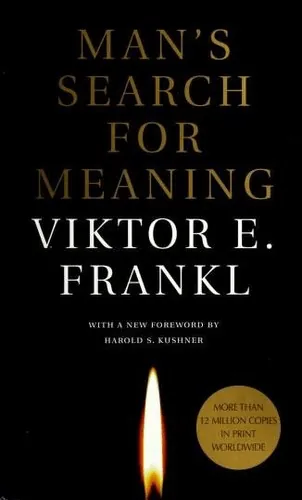
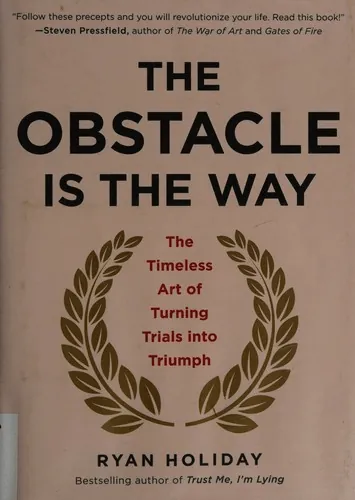
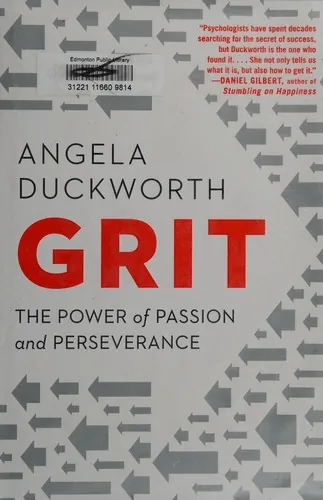
Viktor Frankl's Man's Search for Meaning is the foundation, written from the Nazi camps: when everything is stripped away, the last human freedom is to choose your attitude, and those who have a "why" to live can bear almost any "how." Meaning, not optimism, is what lets a person endure the unendurable. Ryan Holiday's The Obstacle Is the Way turns this into a method, distilling Stoicism into perception, action, and will around Marcus Aurelius's idea that "the impediment to action advances action" — the obstacle becomes the path. Angela Duckworth's Grit supplies the timescale: sustained passion and perseverance, not bursts of intensity, predict achievement, and her observation that "effort counts twice" explains why talent without persistence stalls.
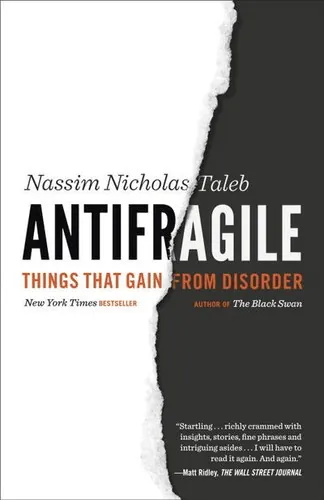
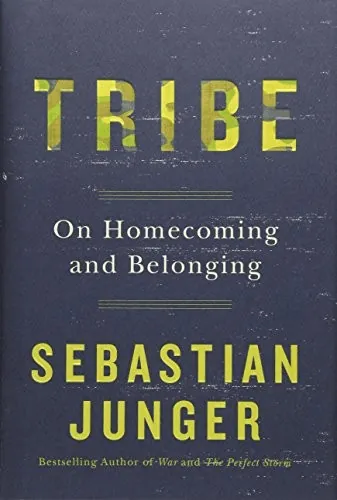
Nassim Taleb's Antifragile reframes the entire topic. Resilience resists shocks and returns to baseline; antifragility gains from them — like muscle from stress or an immune system from exposure. The lesson is to seek a little disorder, optionality, and "via negativa" rather than fragile, over-optimized stability. Sebastian Junger's Tribe closes with the dimension the others underplay: resilience is communal. He observes that people often find unexpected strength in disaster and war — not despite the hardship but because it restores belonging and shared purpose — and that modern isolation, not adversity, is what leaves us fragile.
Read together: resilience is meaning + the obstacle as path + long-haul grit + growing from disorder + the belonging we recover under pressure.
The reading list
Each book below is a step in the topic. Tap through to chapter summaries (free, no signup) or jump straight to the full book on Amazon.
 124 chapters · 41.5 min
Man’s Search for Meaning
by Viktor E. Frankl
Frankl's foundation, written from the concentration camps: the last freedom no one can take is your choice of attitude, and a strong enough “why” lets a person bear almost any “how.” Resilience grounded in meaning, not positivity.
 28 chapters · 14 min
The Obstacle Is the Way
by Ryan Holiday
Holiday distills Stoicism into a working method — perception, action, will — around Marcus Aurelius's idea that “the impediment to action advances action.” The obstacle isn't in the way; it is the way. The practical operating manual for adversity.
 310 chapters · 17 min
Grit
by Angela Duckworth
Duckworth's research on the long game: sustained passion and perseverance beat raw talent and intensity. Her point that “effort counts twice” reframes resilience as consistency over years, not heroics in a crisis — the timescale the other books assume.
 410 chapters · 17 min
Antifragile
by Nassim Nicholas Taleb
Taleb pushes past resilience itself: the resilient resists shocks, but the antifragile gains from them, like muscle from strain. His case for seeking small stressors, optionality, and “via negativa” reframes disorder as something to harness, not just withstand.
 54 chapters · 7 min
Tribe
by Sebastian Junger
Junger adds the missing social dimension: people often grow more resilient in disaster and war because hardship restores belonging and shared purpose. His unsettling argument is that modern isolation, not adversity, is what makes us fragile — resilience is communal.
Related reading guides: Brené Brown.
More topics
19 other topic clusters in the library — habits + behavior change, influence + persuasion, Stoicism + Stoic philosophy, attention + focused work, decision-making + cognitive bias, startups + business + the operator mindset, mindset + growth + grit, power + social dynamics + how the world actually works, cognition + how the mind works, money + wealth + financial behavior, leadership, creativity, psychology, communication, productivity, negotiation, career strategy, risk + uncertainty, meaning + purpose. Each has its own curated reading list with synthesis. Browse all topics →