Best books on mindset + growth + grit
Why mindset is the foundational variable — and how to actually change it.
Listen to it free. Go deeper — many of the books on this topic are free on Audible with a trial.
Start listening freeon AudibleNew members only · many titles are included with the membership. As an Amazon Associate, Read Stacks earns from qualifying purchases and membership trials at no extra cost to you.
The mindset literature has earned its critics — "just think positive" is bad advice — but the serious work in this cluster shows that the underlying mechanism is real and the implications are concrete.
Carol Dweck's Mindset is the foundational text: fixed mindset (talent is innate, effort is for the untalented, mistakes are evidence of limits) vs. growth mindset (skill is buildable, effort is the lever, mistakes are data). Dweck's three decades of research at Stanford show the framework holds across age, domain, and stakes — but the application requires more nuance than the popular reading suggests.
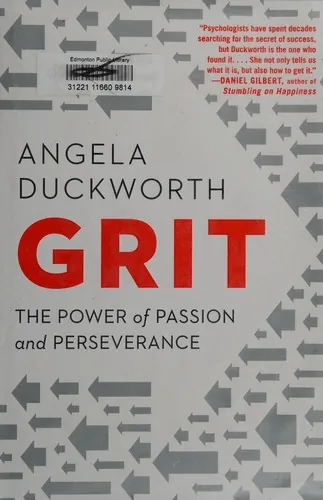
Angela Duckworth's Grit runs the longitudinal studies: perseverance + passion for long-term goals predicts achievement better than IQ, talent, or socioeconomic background in domain after domain. Duckworth pairs the data with what cultivates grit (interest → practice → purpose → hope), grounding the construct in something more practical than slogan.
Anders Ericsson's Peak gets technical about the mechanism: deliberate practice is what converts effort into skill. Without the structure of deliberate practice, persistence just produces more repetition of mediocre performance. Grit + growth mindset without deliberate practice plateaus.
Susan Cain's Quiet counter-argues against the extroversion bias: introverts produce compounding work because they sustain deep attention over years. The mindset literature defaults to extroverted models (gritty go-getters, growth-mindset hustle); Cain rebalances toward the introverted models (quiet sustained attention, deliberate solo practice).
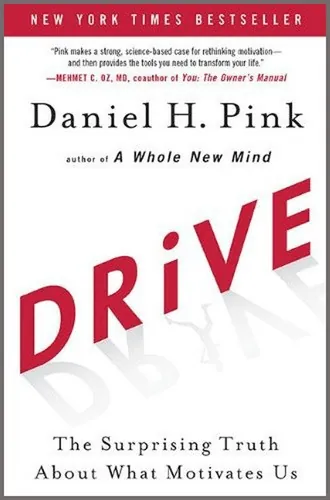
Daniel Pink's Drive closes the loop on what sustains growth-mindset behavior long-term: autonomy + mastery + purpose are the intrinsic motivators that keep the loop running when external rewards thin out.
Read together: mindset isn't positive thinking — it's a particular relationship to effort, mistakes, and time. Growth mindset + grit + deliberate practice + quiet sustained attention + intrinsic motivation form a system that compounds over decades.
The reading list
Each book below is a step in the topic. Tap through to chapter summaries (free, no signup) or jump straight to the full book on Amazon.
 18 chapters · 14.5 min
Mindset
by Carol S. Dweck
Foundational. Fixed vs growth mindset — Dweck's research holds across age + domain + stakes, but application requires more nuance than the popular reading.
 210 chapters · 17 min
Grit
by Angela Duckworth
Longitudinal data. Grit predicts achievement better than IQ, talent, or background across domains. Cultivates via interest → practice → purpose → hope.
 39 chapters · 16 min
Peak
by Anders Ericsson & Robert Pool
Technical mechanism. Deliberate practice converts effort into skill. Without it, persistence just produces more repetition of mediocre performance.
 49 chapters · 15.5 min
Quiet
by Susan Cain
Counter-balance. Introverts sustain compounding deep attention; the mindset literature's extrovert default needs the quiet-sustained-attention model alongside.
 59 chapters · 16 min
Drive
by Daniel H. Pink
Long-term sustainer. Autonomy + mastery + purpose are the intrinsic motivators that keep the growth-mindset loop running when external rewards thin out.
Key concepts in this topic
Tap a concept for its definition + primary book attribution. All concepts: browse the full glossary →
More topics
19 other topic clusters in the library — habits + behavior change, influence + persuasion, Stoicism + Stoic philosophy, attention + focused work, decision-making + cognitive bias, startups + business + the operator mindset, power + social dynamics + how the world actually works, cognition + how the mind works, money + wealth + financial behavior, leadership, creativity, psychology, communication, resilience, productivity, negotiation, career strategy, risk + uncertainty, meaning + purpose. Each has its own curated reading list with synthesis. Browse all topics →