Between Damocles and Hydra
A chapter summary from Antifragile by Nassim Nicholas Taleb.
Affiliate links. As an Amazon Associate, Read Stacks earns from qualifying purchases and Audible memberships at no extra cost to you. Audible shows its current offer and terms before you join.
The antifragile thing actually improves under stress — the Hydra that grows back two heads for every one cut off. Most things in life are one of these three.
The argument that follows is that the antifragile category is not exotic. It is everywhere — biological systems, evolutionary processes, individual learning, certain kinds of investment portfolios, certain kinds of institutions. We just have not had a clean word for it before Taleb supplied one.
The practical question becomes: in which category is the thing you are building, investing in, or relying on? Most modern systems are designed for robustness — they try to withstand stress without changing. Antifragile systems are designed to use stress as input — to learn from it, to adapt because of it, to come out stronger after a shock than they were before.
The book's project is to teach you to spot the difference and to design your own life, work, and decisions for antifragility wherever possible.
The program of the book follows from the triad: locate where a thing sits — fragile, robust, or antifragile — and then shift it toward the right, converting fragility into robustness and, where possible, robustness into antifragility. Taleb's pivotal claim is epistemic: we cannot reliably forecast the rare, high-impact events (the Black Swans of his earlier book) that break things, but we can usually detect fragility itself, because fragility has a recognizable signature — it is harmed by volatility, disorder, and time. So the intelligent move is to manage exposure rather than to predict events: reduce what is fragile, build what gains from disorder, and you no longer need a crystal ball. Antifragility is precisely the property that lets you benefit from Black Swans instead of being destroyed by them, turning unpredictability from a threat into a resource. He pairs this with via negativa — the principle that removing sources of fragility is more reliable than adding clever fixes. Damocles dines under a sword that can drop at any moment (fragile), the Phoenix rises unchanged from its ashes (robust), and the Hydra grows two heads for each one severed (antifragile); the rest of the book is an extended field guide to telling them apart and engineering the third.
More from Antifragile
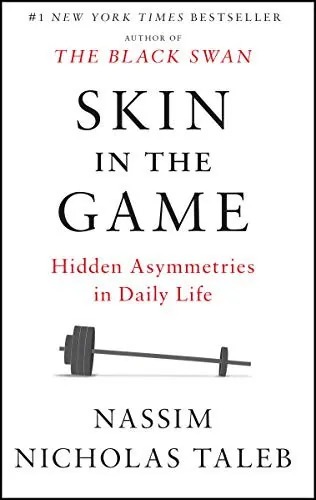
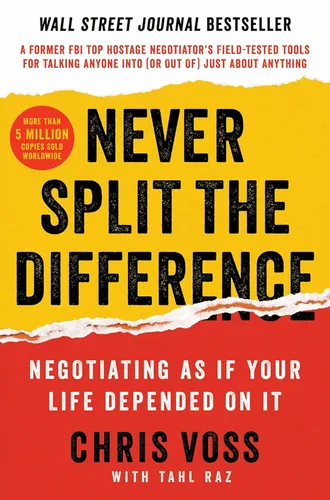
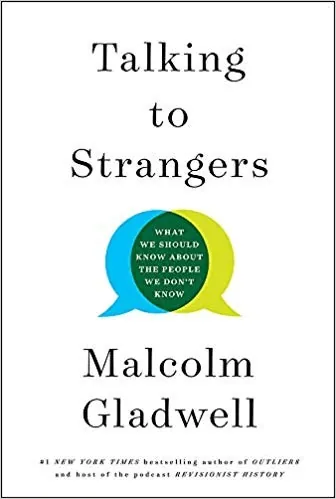
Antifragile sits in a curated reading path — each pairing it with other books that sharpen the same idea. Three nearest peers:
Questions about this chapter
What is Chapter 1 of Antifragile about?+
Taleb opens with the triad that organizes the whole book: fragile, robust, antifragile. The fragile thing breaks under stress (the porcelain teacup, the over-leveraged bank, the brittle career). The robust thing endures stress without changing (the Phoenix that rises unchanged from the ashes).
What's the key takeaway from Chapter 1 of Antifragile?+
The antifragile thing actually improves under stress — the Hydra that grows back two heads for every one cut off.
How long does the Antifragile Chapter 1 summary take to read?+
About 2 minutes — the core insight from Antifragile by Nassim Nicholas Taleb, free on Read Stacks.
From Read Stacks · Learn
If you just read a chapter summary…
You're using the navigation tool the way it was designed to be used. Two short essays on the meta-skill — what summaries actually preserve, and the six retention techniques that decide whether what you just read is still useful six months from now.
- Are book summaries actually useful, or am I just cheating?
Chapter summaries are a navigation tool, not a substitute. Used right, they help you read more books fully — by helping you avoid the wrong ones. Used wrong, they're a comfort blanket that lets you feel like you're reading without engaging with the material.
6 min read
- I read a lot of books but can't remember anything. What works?
Forgetting most of what you read is normal, not a personal failing — your brain wasn't designed to retain prose at the rate modern readers consume it. The practices that DO work share one thing: they force you to USE the material instead of just consuming it. Six specific techniques, each tested across decades.
7 min read