Flirting With Your Possible Selves
A chapter summary from Range by David Epstein.
Affiliate links. As an Amazon Associate, Read Stacks earns from qualifying purchases and Audible memberships at no extra cost to you. Audible shows its current offer and terms before you join.
The cultural script that calls them failures is the wrong script; they are the ones who did the late sampling that early commitment denied them.
The practical move Epstein describes is what he calls flirting with possible selves — taking small, low-cost experiments with alternative careers, hobbies, or identities to gather data about what fits. The samples can be evenings, weekends, side projects, or summer experiments. None of them require quitting your current path. All of them produce information that pure introspection cannot generate.
The chapter argues that the right career conversation in adulthood is not what is your passion but which of these experiments seems to want to keep happening. The latter question is answerable from data; the former is the question that froze your twenty-two-year-old self.
The dominant cultural model of careers is plan-and-implement — introspect until you know who you are, then commit and execute — and Epstein, drawing heavily on Herminia Ibarra's research on career change, argues it is precisely backwards. The people who successfully reinvent themselves do not think their way to a new identity; they act their way into one, running short, low-stakes experiments — 'flirting with possible selves' — and learning from real experience which version of the work actually fits. Identity, in this account, is discovered by doing, not deduced by reflecting, because we are poor predictors of what we will find meaningful until we have tried it. He treats mid-life career change not as an embarrassing late correction of an earlier mistake but as the moment match-quality work finally catches up with a person who can at last name what they want, and the research on switchers in their thirties, forties, and fifties finds them happier and frequently more successful than those who stayed put out of inertia. The practical reframe is to favor test-and-learn over plan-and-commit: try things on, keep what fits, and treat the willingness to begin again as evidence of growth rather than failure.
More from Range
Range sits in a curated reading path — each pairing it with other books that sharpen the same idea. Three nearest peers:
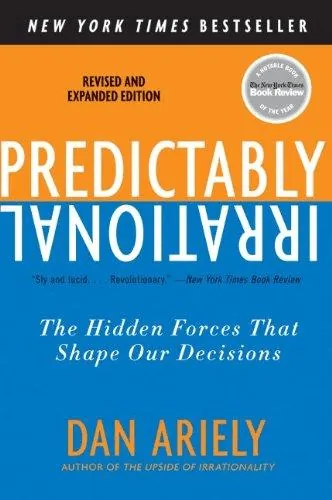
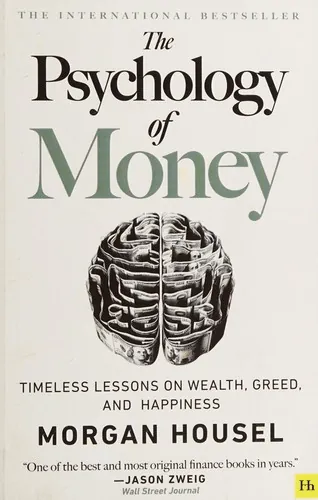
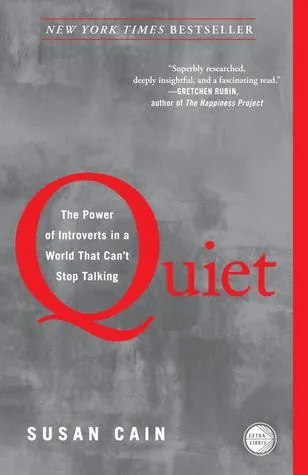
Questions about this chapter
What is Chapter 7 of Range about?+
Career change in adulthood is structurally treated as a failure mode by the cultural narrative — a sign that the earlier choice was wrong, an embarrassing late correction. Epstein argues the opposite: career change in adulthood is the moment match-quality work catches up with the version of you who can finally name what they want.
What's the key takeaway from Chapter 7 of Range?+
The cultural script that calls them failures is the wrong script; they are the ones who did the late sampling that early commitment denied them.
How long does the Range Chapter 7 summary take to read?+
About 2 minutes — the core insight from Range by David Epstein, free on Read Stacks.
From Read Stacks · Learn
If you just read a chapter summary…
You're using the navigation tool the way it was designed to be used. Two short essays on the meta-skill — what summaries actually preserve, and the six retention techniques that decide whether what you just read is still useful six months from now.
- Are book summaries actually useful, or am I just cheating?
Chapter summaries are a navigation tool, not a substitute. Used right, they help you read more books fully — by helping you avoid the wrong ones. Used wrong, they're a comfort blanket that lets you feel like you're reading without engaging with the material.
6 min read
- I read a lot of books but can't remember anything. What works?
Forgetting most of what you read is normal, not a personal failing — your brain wasn't designed to retain prose at the rate modern readers consume it. The practices that DO work share one thing: they force you to USE the material instead of just consuming it. Six specific techniques, each tested across decades.
7 min read