Interest
A chapter summary from Grit by Angela Duckworth.
Affiliate links. As an Amazon Associate, Read Stacks earns from qualifying purchases and Audible memberships at no extra cost to you. Audible shows its current offer and terms before you join.
Most people abandon a potentially worthwhile pursuit during the discovery phase, when interest is still tentative, because they were promised a coup-de-foudre that the research says rarely happens. The discovery phase is supposed to feel uncertain.
The chapter also distinguishes between the search for interest (try a lot of things) and the development of interest (return repeatedly to one thing). Both are necessary, in sequence. People who try forever without committing never develop expertise; people who commit before they have explored often commit to the wrong thing. The book's practical move is to budget a finite exploration period, then commit and develop.
The deeper finding is that gritty people often describe their interest as a process of falling-in-love-slowly with what they do, not a thunderbolt that struck them as teenagers. The slow falling-in-love is the version available to everyone.
Duckworth's most counterintuitive claim is that passion is developed rather than discovered, which directly contradicts the popular advice to 'find your passion' as though it were a hidden object waiting to be uncovered. Her interviews with grandmasters of various fields show a consistent arc: passion begins as a mild, almost accidental interest, gets deepened through repeated engagement and a supportive environment, and only matures into durable commitment over months or years of fumbling exploration. Few experts fell in love with their calling at first sight; most tried several things, followed faint sparks, and let interest grow through doing. The practical reframe is to foster a passion instead of waiting to find one — to explore widely early, then commit to deepening whatever genuinely catches, tolerating the early ambiguity rather than demanding certainty up front. For parents and mentors, the prescription is to encourage low-stakes play and exploration first, then provide the structure and encouragement that let a budding interest survive the inevitable boring stretches. The chapter reframes the anxious search for one's 'true calling' as a slow cultivation rather than a sudden revelation, and warns that expecting instant certainty is itself a reliable way to abandon interests before they have had the chance to ripen into passion.
More from Grit
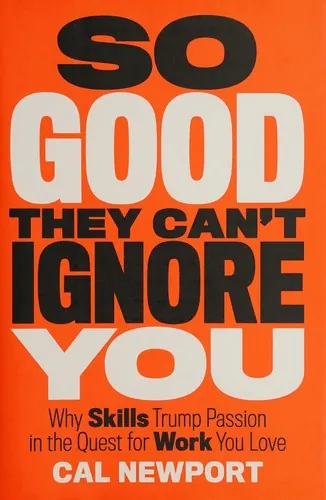
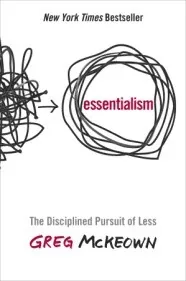
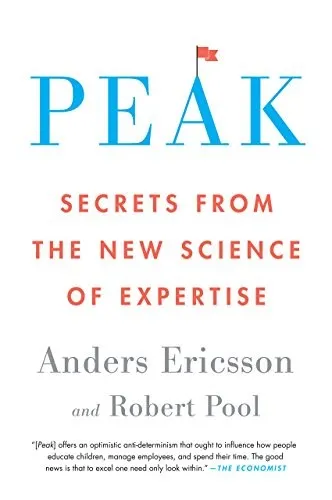
Grit sits in a curated reading path — each pairing it with other books that sharpen the same idea. Three nearest peers:
Questions about this chapter
What is Chapter 6 of Grit about?+
Interest comes first because everything that follows depends on it. The cultural script tells young people to find their passion as if passion were a thing waiting to be discovered. Duckworth's research suggests passion is built, not found — it begins as mild interest, gets cultivated through repeated engagement, and only later, sometimes years later, develops into the kind of durable commitment that sustains gritty work.
What's the key takeaway from Chapter 6 of Grit?+
The implication for anyone hoping to be gritty about a chosen domain is to be patient with the early phase.
How long does the Grit Chapter 6 summary take to read?+
About 2 minutes — the core insight from Grit by Angela Duckworth, free on Read Stacks.
From Read Stacks · Learn
If you just read a chapter summary…
You're using the navigation tool the way it was designed to be used. Two short essays on the meta-skill — what summaries actually preserve, and the six retention techniques that decide whether what you just read is still useful six months from now.
- Are book summaries actually useful, or am I just cheating?
Chapter summaries are a navigation tool, not a substitute. Used right, they help you read more books fully — by helping you avoid the wrong ones. Used wrong, they're a comfort blanket that lets you feel like you're reading without engaging with the material.
6 min read
- I read a lot of books but can't remember anything. What works?
Forgetting most of what you read is normal, not a personal failing — your brain wasn't designed to retain prose at the rate modern readers consume it. The practices that DO work share one thing: they force you to USE the material instead of just consuming it. Six specific techniques, each tested across decades.
7 min read