Outliers: The Story of Success by Malcolm Gladwell
A chapter summary from Outliers by Malcolm Gladwell.
Affiliate links. As an Amazon Associate, Read Stacks earns from qualifying purchases and Audible memberships at no extra cost to you. Audible shows its current offer and terms before you join.
Questions of success pull in sociology, psychology, education, linguistics, history, and organizational behavior. No single lens explains everything, so the notes show where different kinds of evidence meet—and where uncertainty still exists.
For readers, notes offer verification and expansion: you can trace a claim back to its source, then follow threads into deeper work and decide where you agree or doubt. They show the machinery behind the conclusions—and invite you to test it for yourself, rather than accept it as legend.
More from Outliers
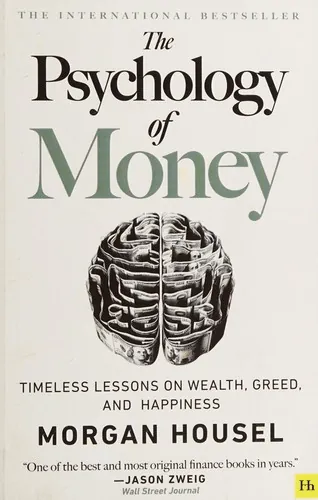
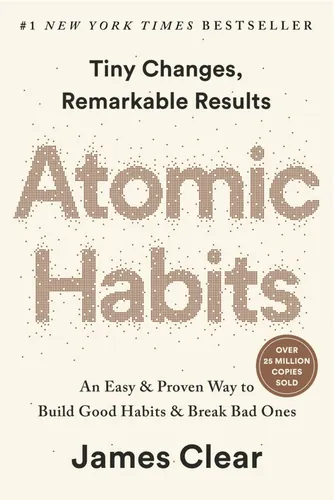
Outliers sits in 2 curated reading paths — each pairing it with other books that sharpen the same idea. Three nearest peers:
Questions about this chapter
What is Notes of Outliers about?+
The notes are a reminder that stories are scaffolding, not substitutes for evidence. Behind each vignette sits research: studies, historical records, and technical reports that anchor the narrative claims. They also reveal how multi-disciplinary the subject is.
What's the key takeaway from Notes of Outliers?+
Questions of success pull in sociology, psychology, education, linguistics, history, and organizational behavior.
How long does the Outliers Notes summary take to read?+
About 1 minute — the core insight from Outliers by Malcolm Gladwell, free on Read Stacks.
From Read Stacks · Learn
If you just read a chapter summary…
You're using the navigation tool the way it was designed to be used. Two short essays on the meta-skill — what summaries actually preserve, and the six retention techniques that decide whether what you just read is still useful six months from now.
- Are book summaries actually useful, or am I just cheating?
Chapter summaries are a navigation tool, not a substitute. Used right, they help you read more books fully — by helping you avoid the wrong ones. Used wrong, they're a comfort blanket that lets you feel like you're reading without engaging with the material.
6 min read
- I read a lot of books but can't remember anything. What works?
Forgetting most of what you read is normal, not a personal failing — your brain wasn't designed to retain prose at the rate modern readers consume it. The practices that DO work share one thing: they force you to USE the material instead of just consuming it. Six specific techniques, each tested across decades.
7 min read